
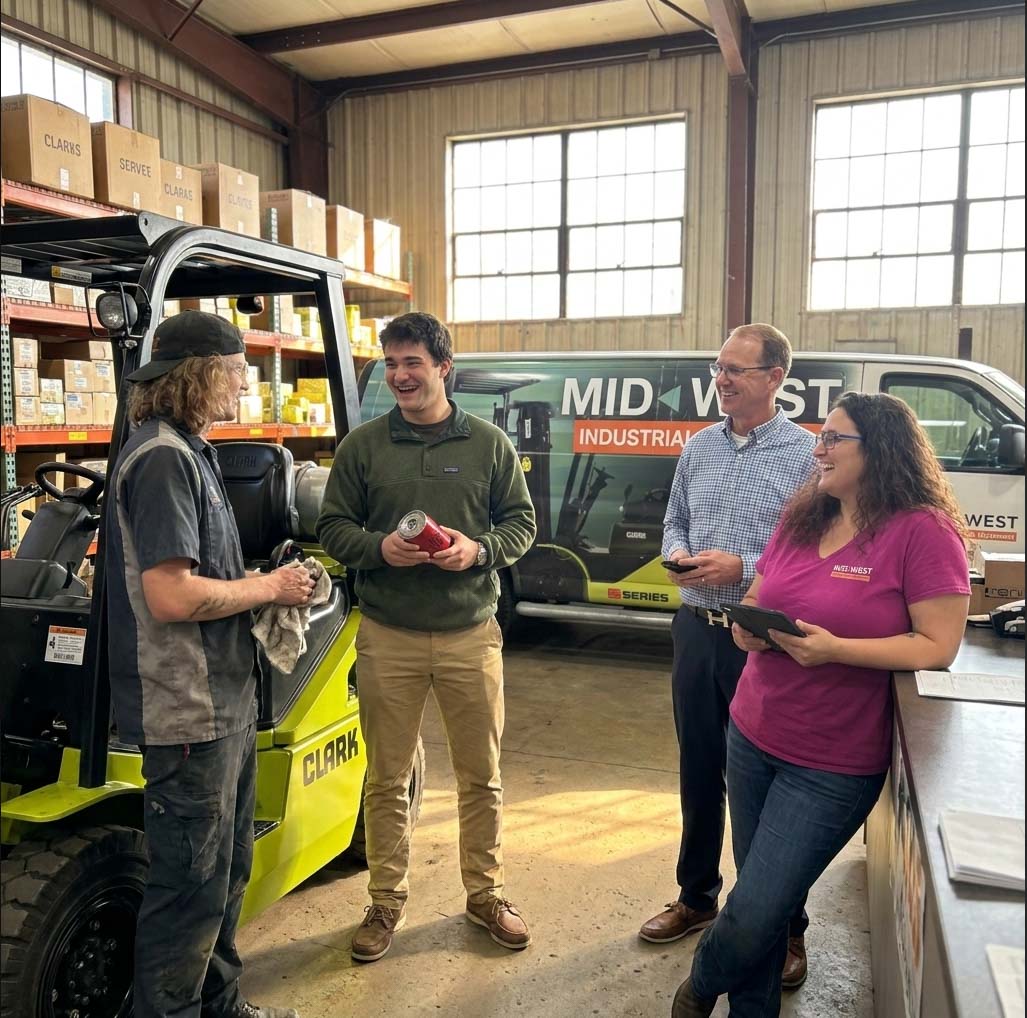
Maintenance Built Around Your Operation
There is no single maintenance schedule that works for every forklift.
A lift operating occasionally in a clean warehouse does not experience the same wear as one running multiple shifts in a manufacturing plant, lumber yard, foundry, loading dock, or outdoor industrial environment.
That is why Midwest Industrial Equipment does not treat forklift maintenance like a quick oil change.
We take the time to understand:
- How many forklifts you operate
- The make and model of each unit
- Equipment age and operating hours
- Indoor or outdoor operating conditions
- Average load weights
- Number of shifts worked
- Battery, propane, gasoline, or diesel power
- Current service history
- Recurring repair problems
- Manufacturer maintenance recommendations
- Production schedules and access requirements
From there, we can recommend a maintenance schedule that makes sense for the way your equipment is actually being used.
The objective is not to perform service more often than necessary. It is to provide the right maintenance at the right time.
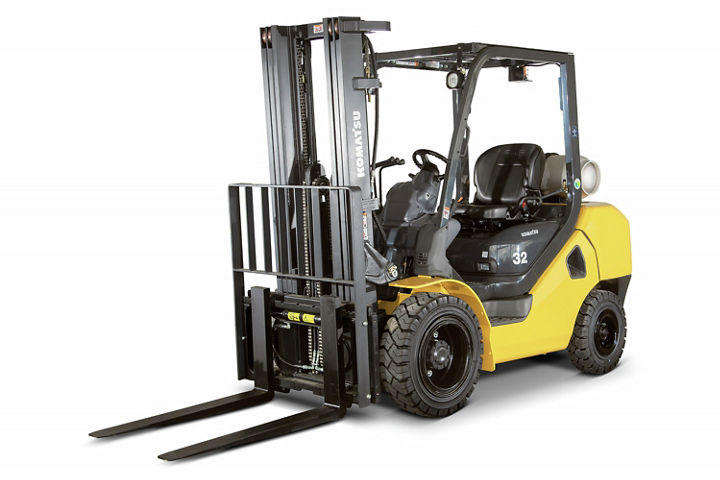
A Thorough 120-Point Forklift Inspection
Not all forklift maintenance services provide the same level of protection.
Midwest Industrial Equipment performs a comprehensive 120-point inspection that takes an average of approximately 1.5 hours per unit. We believe planned maintenance should be thorough enough to uncover developing problems not rushed simply to complete another checklist.
Depending on the forklift type and service interval, maintenance may include inspection or service of the following systems.
Forks, Mast and Carriage
The lifting system handles some of the greatest stress placed on a forklift. Our technicians inspect components that may affect lifting performance, load stability, and safe operation.
Inspection areas may include:
- Fork condition and wear
- Fork positioning components
- Mast rollers
- Carriage operation
- Lift chains
- Chain tension and lubrication
- Load backrest
- Mast channels
- Tilt function
- Lift and tilt cylinders
- Hydraulic hoses and connections
Bent forks, stretched chains, damaged rollers, or leaking cylinders should not be ignored. Catching these issues early can help prevent a more serious repair or equipment failure.
Hydraulic System
Hydraulic systems control the lifting and positioning functions your operators depend on throughout the day.
Maintenance may include checking:
- Hydraulic fluid levels
- Hydraulic fluid condition
- Hoses and fittings
- Lift cylinders
- Tilt cylinders
- Control valves
- Hydraulic pumps
- Visible leaks
- Unusual hydraulic noise
- Slow or inconsistent lift operation
A small hydraulic leak may seem manageable, but it can lead to reduced performance, contaminated components, fluid loss, and more expensive repairs.
Brakes and Steering
Brakes and steering directly affect operator control and workplace safety.
Our technicians inspect components for signs of wear, damage, looseness, leaks, and improper operation. If a forklift is pulling to one side, steering unpredictably, or requiring additional distance to stop, it should be evaluated before the problem becomes more serious.
Tires and Wheels
Forklift tires affect stability, traction, ground clearance, braking, operator comfort, and overall equipment performance.
We inspect for:
- Excessive tire wear
- Chunking or cracking
- Flat spots
- Tire separation
- Uneven wear
- Wheel damage
- Loose lug nuts
- Reduced ground clearance
- Damage caused by debris or floor conditions
Replacing worn tires at the appropriate time can protect the forklift, improve operator comfort, and reduce unnecessary stress on other components.
Engine and Fuel Systems
Internal combustion forklifts require routine attention to engine, fuel, ignition, exhaust, and cooling-system components.
Depending on the equipment and service interval, maintenance may include:
- Engine oil and filter changes
- Air-filter inspection
- Fuel-system inspection
- Cooling-system checks
- Belt and hose inspection
- Propane-system inspection
- Exhaust-system checks
- Fluid-level checks
- Leak inspection
- Starting and operating checks
Regular engine maintenance can improve reliability, reduce performance problems, and help prevent major component failures.
Electric Forklift Systems
Electric forklifts have fewer engine-related maintenance needs, but they still require consistent inspection and service.
Our technicians may inspect:
- Industrial batteries
- Battery cables and connectors
- Battery compartments
- Charger operation
- Electrical connections
- Contactors and switches
- Drive motors
- Hydraulic motors
- Control systems
- Warning lights and fault codes
- Steering and braking components
Battery condition, charging practices, heat, corrosion, and damaged connections can all affect forklift performance and battery life.
Safety and Operational Components
Planned maintenance also provides an opportunity to inspect equipment features that operators rely on every day.
These may include:
- Horn
- Lights
- Backup alarms
- Warning indicators
- Seat and seat belt
- Operator-presence systems
- Parking brake
- Data plate
- Safety decals
- Mirrors
- Overhead guard
- Controls and pedals
Maintenance does not replace the operator’s required pre-shift inspection. It provides a more thorough technical evaluation of the forklift and its major systems.
Forklift Maintenance for Electric, Propane and Diesel Equipment
Midwest Industrial Equipment supports a wide range of forklift types and power systems.
Electric Forklift Maintenance
Electric forklifts are commonly used in warehouses, manufacturing facilities, food operations, distribution centers, and indoor material handling environments.
Our maintenance services can help identify:
- Battery deterioration
- Corroded connections
- Damaged cables
- Charger problems
- Electrical faults
- Drive-system wear
- Hydraulic leaks
- Steering concerns
- Brake wear
- Control-system issues
Proper electric forklift maintenance can improve equipment reliability while also helping businesses get more useful life from batteries and charging equipment.
Propane Forklift Maintenance
Propane forklifts operate in a wide variety of indoor and outdoor applications. They require attention to both the forklift’s mechanical systems and its propane fuel system.
Regular maintenance may help prevent:
- Hard starting
- Rough engine operation
- Loss of power
- Fuel-system leaks
- Cooling-system problems
- Engine overheating
- Transmission concerns
- Hydraulic failures
- Unexpected shutdowns
Diesel Forklift Maintenance
Diesel forklifts are frequently used in outdoor, industrial, construction, lumber, agricultural, and heavy material handling applications.
Dust, temperature changes, uneven surfaces, long operating hours, and heavy loads can increase wear. Planned maintenance helps identify problems involving fluids, filters, engines, cooling systems, transmissions, tires, steering, brakes, and hydraulics before the forklift is taken out of service unexpectedly.
Mixed Forklift Fleets
Many Ohio businesses operate equipment from multiple manufacturers, model years, and power types.
Midwest Industrial Equipment can help organize maintenance for mixed fleets so equipment managers do not have to coordinate separate service providers for every unit. We service many forklift makes and models and can help create a more consistent approach to fleet maintenance, inspection, and documentation.
Planned Maintenance Versus Emergency Repair
Planned maintenance and forklift repair serve two different purposes.
Planned maintenance is scheduled service intended to inspect the forklift, perform required maintenance, and identify developing problems before the equipment fails.
Emergency repair takes place after the forklift has already stopped working or developed a problem serious enough to interrupt normal operation.
Both services are important, but planned maintenance gives your business more control.
Instead of discovering a problem when a forklift is needed most, your team can address maintenance concerns earlier and schedule repairs around production, staffing, and equipment availability.
A planned maintenance program cannot prevent every breakdown. Forklifts operate in demanding environments, and components can still fail. However, consistent maintenance can reduce avoidable problems and provide a clearer picture of each forklift’s overall condition.
Maintenance Programs for One Forklift or an Entire Fleet
You do not need a large forklift fleet to benefit from planned maintenance.
For a business operating one or two forklifts, a breakdown may leave no backup equipment available. Regular maintenance can be especially important when a single unit supports the majority of your daily material movement.
For larger fleets, Midwest Industrial Equipment can help create an organized maintenance program based on equipment type, usage, operating hours, facility access, and production schedules.
Fleet maintenance support may include:
- Equipment identification
- Maintenance scheduling
- Inspection documentation
- Repair recommendations
- Service-history tracking
- Recurring-problem identification
- Battery and charger evaluation
- Tire-condition monitoring
- Recommendations for aging equipment
- Coordination of service across multiple units
The goal is to give your operation a better understanding of its equipment—not simply provide a stack of completed inspection forms.
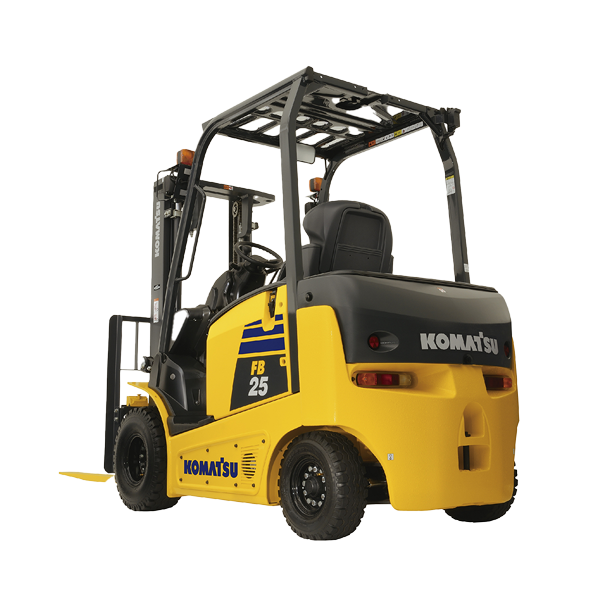
Signs Your Forklift Maintenance Program Needs Attention
Your current maintenance approach may need to be reviewed if:
- Forklifts are breaking down between services
- Maintenance visits are completed unusually quickly
- The same problems continue returning
- Inspection findings are not clearly documented
- Repairs are recommended without explanation
- Service intervals are not based on actual equipment use
- Older forklifts are becoming increasingly expensive to maintain
- Operators frequently report leaks, noises, or performance problems
- Batteries are failing earlier than expected
- Maintenance records are incomplete or difficult to access
- You are unsure when each forklift was last serviced
- Your fleet has grown, but the maintenance program has not changed
A good maintenance provider should help you understand what is happening with your equipment and why a repair is being recommended.
Industries We Support Needs Attention
Midwest Industrial Equipment provides forklift maintenance services for businesses across a wide range of Ohio industries, including:
- Manufacturing
- Warehousing
- Distribution and logistics
- Automotive suppliers
- Food and beverage operations
- Machine shops
- Construction
- Lumber and building materials
- Agricultural operations
- Industrial fabrication
- Packaging
- Wholesale distribution
- Freight and shipping
- Outdoor material handling
Every operating environment creates different demands. We account for those conditions when evaluating maintenance intervals and equipment needs.
How to Start a Forklift Maintenance Program
1. Tell Us About Your Equipment
Provide basic information about your forklifts, including quantity, make, model, power type, approximate operating hours, and facility location.
Do not worry if your equipment records are incomplete. Our team can help gather the information needed to begin.
2. Review Your Current Maintenance Needs
We will discuss how the forklifts are used, current maintenance intervals, recurring problems, operating conditions, and any concerns reported by your operators or managers.
3. Establish a Practical Schedule
Maintenance frequency should reflect equipment usage, manufacturer recommendations, operating environment, equipment age, and business demands.
We will work with you to establish a schedule that protects the fleet while minimizing disruption.
4. Perform and Document the Service
Our technician will inspect and service the equipment, document findings, and identify any concerns that require additional attention.
5. Review Repair Recommendations
When a repair is recommended, we explain what was found, why it matters, and what may happen if the issue is delayed.
You remain informed and in control of the repair decision.
6. Continue Monitoring the Fleet
Over time, maintenance records can help identify recurring issues, high-cost equipment, and forklifts that may be approaching the end of their practical service life.
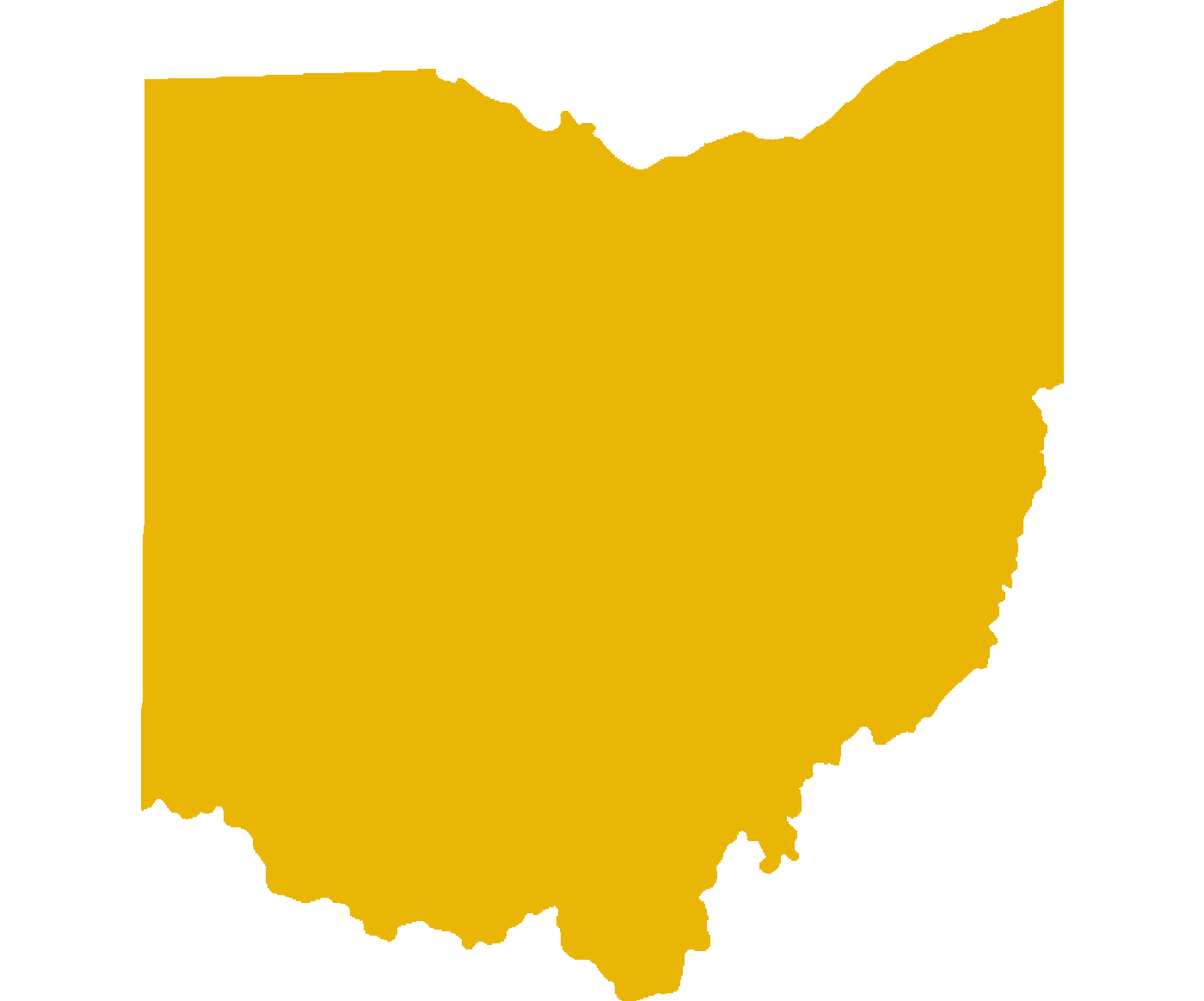
Forklift Maintanance Service Areas Near Cincinnati
Midwest Industrial Equipment provides forklift maintenance and fleet support for businesses throughout our Ohio service region, including:
- Piqua
- Dayton
- Cincinnati
- West Chester
- Columbus
- Troy
- Sidney
- Lima
- Springfield
- Vandalia
- Huber Heights
- Kettering
- Beavercreek
- Centerville
- Hamilton
- Fairfield
- Mason
- Middletown
- West Central Ohio
- Southwest Ohio
- Surrounding industrial communities
Service availability may depend on your location, equipment, fleet size, and maintenance requirements. Contact our team to discuss your facility and determine the best service approach.

Tell Us About Your Forklift Fleet
Provide the forklift make, model, location, and a brief description of the problem. A Midwest Industrial Equipment representative will review your request and contact you as soon as possible.
Submitting this form does not guarantee immediate dispatch. For urgent forklift breakdowns, call our Cincinnati service team directly at (513) 860-1979.
FAQ
Rental equipment may be available depending on the forklift capacity, lift height, fuel type, application, location, and current inventory.
Midwest Industrial Equipment can help determine whether a temporary rental is appropriate while your forklift is being repaired.
The technician will document the concern and explain the recommended repair. Depending on the problem, parts availability, authorization, and technician schedule, the repair may be completed during the visit or scheduled separately.
Maintenance findings and service information can be documented to help your company track equipment condition, repair recommendations, and service history.
Employers are responsible for ensuring powered industrial trucks are maintained in safe operating condition. Planned maintenance can help identify equipment concerns, but it does not replace operator inspections, workplace safety procedures, training, or the employer’s regulatory responsibilities.
Yes. We can help maintain fleets containing different forklift brands, power types, capacities, and model years.
Yes. Electric forklifts still require maintenance of batteries, electrical connections, brakes, steering, hydraulics, tires, mast components, safety equipment, drive systems, and charging equipment.
Yes. Midwest Industrial Equipment services many forklift makes and models, including equipment outside the brands we sell.
Provide the make and model when contacting us so our service team can review your needs.
Yes. Our mobile service technicians perform forklift maintenance at customer facilities throughout our Ohio service region.
Midwest Industrial Equipment’s comprehensive 120-point planned maintenance inspection takes an average of approximately 1.5 hours per forklift. Timing can vary based on equipment type, condition, accessibility, and the maintenance being performed.
Planned maintenance may include inspections, lubrication, fluid checks, filter changes, adjustments, operational testing, cleaning of critical components, and documentation of developing repair concerns.
The exact service depends on the forklift type, maintenance interval, and manufacturer requirements.
Maintenance frequency depends on the forklift manufacturer, model, operating hours, application, environment, and power type. Equipment operating multiple shifts or in harsh conditions may require more frequent service than a lightly used warehouse forklift.
Midwest Industrial Equipment can review your fleet and recommend appropriate maintenance intervals.
Absolutely. Our team can recommend forklifts based on lift height, load capacity, indoor or outdoor use, and your operational requirements.
Yes. We offer electric forklift options including BYD electric forklifts designed for efficient warehouse and industrial operations.
We work to respond quickly to service requests and minimize downtime for your operation. You can contact us online or by phone to schedule service.
We service many major forklift brands and equipment types. Contact us with your forklift model and service needs to confirm availability.
Yes. Our team provides forklift service, maintenance, diagnostics, and repairs to help keep your equipment operating safely and efficiently.
Midwest Industrial Equipment serves businesses in Piqua, Dayton, Cincinnati, Columbus, Troy, Springfield, Lima, and surrounding Ohio areas.
Yes. We provide short-term and long-term forklift rentals for warehouses, construction sites, manufacturing facilities, and industrial operations throughout Ohio.
We offer new forklifts from trusted brands including Clark, Komatsu, and BYD. We can help you choose the right forklift based on your lifting capacity, warehouse layout, and operational needs.